Holotropic Breathing Technique Explained: Methods, Safety, and Canadian Resources
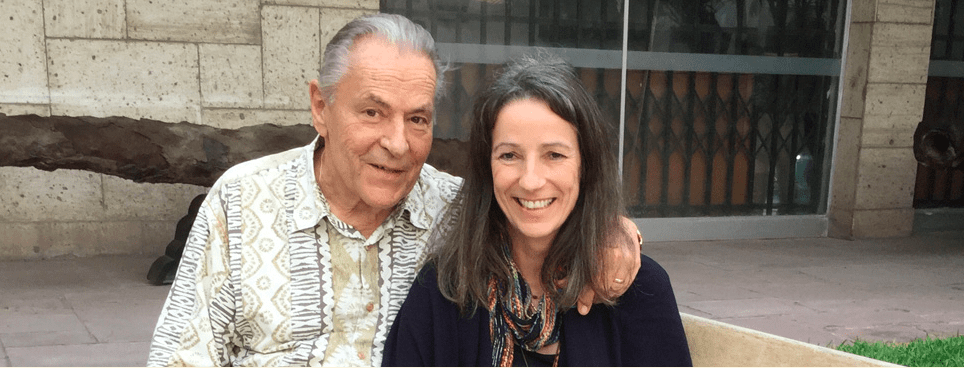
Holotropic breathwork arrived in North America in the 1970s through the work of psychiatrist Stanislav Grof and Christina Grof, who were exploring non-ordinary states of consciousness after LSD-assisted psychotherapy became legally unavailable. The holotropic breathing technique grew from clinical observation and decades of facilitation, not from laboratory invention. It uses accelerated breathing, evocative music, a safe container, and optional bodywork to invite a deep inner process. People describe it as a catalyst rather than a cure, a way of letting the psyche move what is ready to move.
That framing matters. Breathwork can look like a high-energy wellness trend, yet in practice it is more like guided inner travel with meaningful risks and responsibilities. Done well, it pairs intensity with grounded integration. Done carelessly, it can overwhelm a nervous system, destabilize a fragile medical condition, or stir memories without adequate support. My aim here is to give you a clear view of methods, safety, and how to find trustworthy holotropic breathwork training and resources in Canada without hype.
What a holotropic session actually looks and feels like
The setup is deliberate. Participants usually come to a spacious, quiet room with mats and blankets. Facilitators introduce the frame of the work, remind people how to signal for help, and clarify that each person is in charge of their own process. The room often holds pairs: a breather and a sitter. The breather lies down with eyes closed. The sitter stays nearby, present and quiet, tracking the breather’s needs. Trained facilitators circulate, watching breath patterns, body tone, and emotional waves.
Music starts. It moves through a planned arc, from rhythmic and percussive to more melodic and spacious. The breather is invited to accelerate and deepen the breath. Within minutes, many people notice tingling in hands and lips, temperature changes, or waves of emotion. Some feel strong currents in the chest or belly. Others see vividly, as if dream imagery is playing behind the eyes. At points the body may want to shake, stretch, or curl. Facilitators help with simple grounding touch only after explicit consent, or with targeted bodywork when someone requests help with a persistent tension.
Sessions often run two to three hours. That duration gives the psyche time to climb, crest, and land. The goal is not to maximize intensity but to allow completion. After the breath portion ends, there is gentle music, rest, and then integration practices like drawing a mandala, journaling, or a sharing circle. Over years of facilitating, the most common feedback I hear is surprise at how precise the inner process can feel. Many people report that the breath seems to know where to go, bringing forward exactly the memory, sensation, or insight that has been stuck in the background.
What is happening in the body, in plain terms
The holotropic breathing technique typically involves faster and deeper breaths than at rest. That pattern lowers carbon dioxide in the blood for a period of time, which can change the body’s acid-base balance and constrict some blood vessels. The sensations that follow, such as tingling, cramping in hands or jaw, and lightheadedness, usually reflect those shifts. There is also a strong autonomic component. The rise and fall of sympathetic and parasympathetic activation can bring heat, cold, trembling, the urge to move, and a full emotional range.
People often ask about brain mechanisms. There are hypotheses that rapid breathing and strong emotion can disrupt habitual mental loops and open access to less defended material. Neuroimaging in related practices suggests temporary reductions in default-mode activity during intense inner work, though holotropic breathwork itself has limited direct study. The safest stance is modest: the method reliably alters physiology and attention, which can let the mind reorganize. The details are still being worked out by science.
Methods that respect the form
Authentic Holotropic Breathwork is offered within a particular container: paired sitter-breather roles, group setting, trained facilitation, curated music, optional bodywork, and structured integration. The form is not ornamentation. It is there to manage the intensity and to help people land safely.
If you want a sense of the arc without trying a full session, there are gentler practices that borrow the intent but not the intensity. Conscious connected breathing at a moderate pace for 10 to 15 minutes in a seated posture can be an accessible taste. Keep the breath smooth, avoid breath holds or force, and stop if your hands or face cramp. Save the full dive for a properly held space.
A simple five-step arc of a facilitator-led session
- Intake and consent: brief health screening, goals, and boundaries, plus explanation of sitter-breather roles and signals.
- Set and setting: mats, blankets, water, tissues, and agreed-upon cues for assistance, with music tested for volume and arc.
- Breath period: the breather lies down, eyes closed, increases breath depth and pace while following the music, sitter stays attentive, facilitators support as needed.
- Resolution and rest: breath gradually slows, body unwinds, any residual tension addressed with gentle coaching or consented bodywork.
- Integration: art or journaling, a short meal break, and a sharing circle that emphasizes meaning-making and aftercare.
That is the skeleton. Skilled facilitators fill it with nuance: how to pace a room, when to intervene, how to recognize freeze states versus healthy discharge, and how to honor cultural and personal boundaries.
Safety, screening, and edge cases
The same ingredients that make holotropic breathwork potent also make it unsuitable for some people. Elevated heart rate and blood pressure, intense emotional arousal, and strong muscular contractions are part of the territory. So is variable carbon dioxide. Responsible programs screen participants, insist on sitters, and keep the option to pause or modify the breath.
Here is a concise checklist of common contraindications. If any apply, speak with a healthcare professional and your facilitator before engaging this work.
- Significant cardiovascular disease or uncontrolled hypertension, history of stroke or serious arrhythmia
- Seizure disorders or conditions that lower seizure threshold
- Eye or skeletal concerns such as glaucoma, retinal detachment risk, recent fractures, or severe osteoporosis
- Pregnancy, recent major surgery, or conditions where strong valsalva-like strain is unsafe
- Active psychosis, unstable bipolar disorder, or recent severe trauma without current therapeutic support
Outside those categories lie gray areas. People on SSRIs, SNRIs, or benzodiazepines can sometimes participate with modifications, but medication can blunt or complicate the process. Those with complex PTSD may benefit, yet need more resourcing and titration. Asthma is generally manageable online breathwork training Canada if well controlled and inhalers are on hand. Diabetes alone is not necessarily a barrier, but watch for hypoglycemia if sessions run long. The principle is simple: when in doubt, slow it down, shorten it, and add support.
Emergency protocols matter. In well-run rooms, facilitators carry a first aid kit, know how to recognize hyperventilation-induced tetany, and can coach someone back to a steady breath or to a side-lying recovery posture. They watch for dissociation and know how to bring someone back with orienting cues and safe touch by consent. If a facilitator cannot describe their safety plan in concrete terms, keep looking.
The ethics and legal context in Canada
Breathwork itself is not a regulated health profession in Canada. Many facilitators come from allied fields: registered psychotherapists in Ontario, registered clinical counsellors in British Columbia, social workers, massage therapists, or yoga therapists. Others enter through non-clinical wellness pathways. This creates a patchwork. The title on a website does not guarantee clinical training, and a heartfelt testimonial does not replace liability coverage.
If a session is advertised as psychotherapy, the facilitator needs to be licensed for that scope in the province. If it is a wellness workshop, most facilitators carry separate liability insurance and make it clear that the service is not therapy. Ask directly about insurance and scope. Reputable practitioners will also have a code of ethics and a complaints process, either through a regulator or a professional association.
Holotropic Breathwork is a protected term associated with the Grof lineage. You will also see near neighbors: Grof-inspired “holotropic-style” sessions, integrative breathwork, neurodynamic breathwork, and a wide field of trauma-informed breath practices. The names matter when you seek training or try to verify a facilitator’s background. For holotropic breathwork training specifically, look for organizations that can confirm a person’s completion status and supervision record, and ask what elements of the classic method they teach.
Training paths and certification options in Canada
Interest in breathwork training in Canada has grown steadily. People are seeking breathwork certification in Canada for two reasons. Some want to bring breathwork into an existing practice as a counsellor or coach. Others want to specialize as a breathwork facilitator. Either way, treat it as professional education, not a weekend skill.
Holotropic-specific training connected to the Grof tradition generally involves a modular pathway: multi-day residential workshops, thematic modules, personal sessions as a breather and sitter, facilitation practica, and supervised intensives. The total hours add up. Robust programs typically require several hundred hours over one to three years. Schedules change, but modules periodically run in major Canadian centres or nearby U.S. Locations that are easy to reach from Vancouver, Calgary, Toronto, Ottawa, or Montreal. Always confirm current offerings directly with the organizing body, since venues shift year to year.
Beyond the holotropic stream, Canada hosts a range of breathwork facilitator training programs. Some are trauma-informed and emphasize nervous system literacy, titration, and integration. Others stem from yoga therapy or somatic coaching. A careful comparison will look past brand names and ask how the training handles safety, touch, scope of practice, and cultural respect.
When evaluating breathwork facilitator training in Canada, look for:
- A clear curriculum that covers anatomy and physiology, screening, contraindications, crisis response, and integration, not just breath patterns
- Real practicum hours with supervision on live sessions, not only role-play or online practicums
- An explicit code of ethics that covers consent, boundaries, and referral pathways to licensed care
- Mentorship beyond graduation and a community of practice where facilitators can debrief complex cases
- Transparent requirements for breathwork certification in Canada, including continuing education and renewal
As a practical marker, programs that require fewer than 100 hours total rarely provide breathwork training canada enough depth for holding strong processes. On the other end, people can get lost collecting certificates without seeing clients. Somewhere between 150 and 400 hours with meaningful supervision is a workable middle for many. If you already hold a clinical license, integrate breathwork within that scope. If you do not, be clear in your marketing and contracts that your service is not psychotherapy.
How to vet a workshop or facilitator
Websites are polished. What matters is how someone responds to specific, grounded questions. Ask what their intake process looks like and how they handle the contraindications that apply to you. Ask how many sessions they have facilitated in the last year, and how they coordinate with mental health professionals when a participant wants therapy afterward. If they offer holotropic breathwork training, ask who supervises them and what emergency training they carry.
A small anecdote illustrates the point. Years ago in a community hall on Vancouver Island, a participant developed intense hand tetany and panic within the first 10 minutes. A new facilitator hovered, unsure whether to coach the breath or intervene with touch. The lead facilitator knelt, met the eyes, and guided a simple pattern: soften the exhales, let the inhales come without effort, keep the mouth soft. Within two minutes, the cramping eased. No dramatic bodywork. No heroics. Just skillful pacing. The difference was training that emphasized physiology and titration over theatrics.
Preparing for your first session
Think about the 48 hours around the event, not just the session itself. Keep food simple and familiar the day before. Avoid heavy drinking or cannabis. Sleep matters more than you think. On the day, wear layers and bring a water bottle, a light snack, and a journal. If emotions run big for you, let the facilitator know what helps you feel safe. Arrange your transport so you are not rushing afterward. Some people feel spacious and clear, others feel tender and tired. Give yourself the evening off, or at least a few hours of quiet.
During the session, the most useful skill is curiosity. If a strong emotion rises, try to breathe with it rather than narrate it. If you feel numb, breathe with the numbness rather than turning it into a problem to fix. If a memory surfaces, let your body show you how it wants to move. The sitter is there to keep you safe and comfortable. Use that support.
Afterward, resist the urge to analyze every symbol. Let images sit for a day or two. Many people find that a short walk, a hot shower, or gentle stretching helps metabolize the experience. If sleep feels odd that first night, that is common. Keep caffeine low and screens away.
Integration that actually sticks
An intense session without integration is like a storm without rain. The ground does not get nourished. Integration is not complicated, but it does need attention. Give yourself three anchors in the week after a session. First, write a one-page account that includes felt sensations, not just interpretations. Second, make one small behavioral change that aligns with what you learned, such as a boundary you keep or a daily practice you add for ten minutes. Third, speak about the session with someone who can hold it well. That person could be a therapist, a group, or a friend who listens without fixing.
If you are in ongoing therapy, tell your therapist before you go. Agree on signs that you might need a session soon after the breathwork. If your therapist is unfamiliar with holotropic breathwork, share a brief description of the format and your reasons for going. Good therapists will collaborate even if they do not practice breathwork themselves.
What the evidence says, and does not
Breathwork as a broad category has encouraging data for stress reduction and mood. Studies of controlled breathing practices show improvements in anxiety and depressive symptoms for some participants, particularly when the practice is regular and paired with supportive care. Holotropic breathwork specifically has far fewer peer-reviewed trials. Small observational and qualitative studies have reported increased self-reported well-being, emotional processing, and spiritual insight, but the samples are limited and not randomized. Physiological changes seen during intense breathing are well documented, while the meaning-making is personal.
That does not make the practice less valuable, but it should temper claims. If someone promises that one weekend will resolve trauma, fix attachment patterns, or substitute for long-term therapy, be cautious. Many people find breathwork to be a powerful complement to therapy or recovery work. Some feel steadier after a single session. Others need several, spaced over months, to metabolize layers of material. A few find it is not their modality. All of those outcomes are normal.
Costs, formats, and access in Canada
Fees vary by city, venue costs, and facilitator experience. A single-day group often falls in the 150 to 300 CAD range. Two-day formats are commonly 400 to 700 CAD. Residential retreats increase quickly with lodging and meals. Private sessions tend to be more, but many facilitators prefer groups because of the sitter-breather dyad and community support.
Holotropic breathwork depends on in-person work, partly because of bodywork and the need for close observation. Online offerings that use related breathing patterns can be valuable for general stress relief and self-awareness, but they are not official Holotropic Breathwork. If you are choosing an online program, look for shorter sessions, explicit safety education, and clear language about what they are and are not.
For those pursuing breathwork training in Canada, budget for more than tuition. You will need personal sessions as a breather and sitter, travel to modules, and supervision hours. Total investment over a year or two can range widely, from a few thousand dollars for lean, modular programs to substantially more for residential tracks. Ask programs for a realistic total cost estimate that includes travel and integration sessions.
Respecting culture and context
Breath is universal, and breathwork lineages are not. Contemporary holotropic work grew from Western psychotherapy and transpersonal psychology. Other powerful breath traditions come through yoga, Tibetan practice, Indigenous ceremony, and Afro-diasporic healing. Facilitators should be transparent about their lineage, avoid mixing ceremonial elements they are not trained to hold, and name when a practice carries cultural roots outside their own. Participants can ask about this directly. A grounded facilitator will answer without defensiveness.
Finding Canadian resources without getting lost
A practical way to start is local. Search for facilitators in your province, then check their training background against the standards described above. Reach out to established centers that host somatic or transpersonal work. Cities like Vancouver, Victoria, Calgary, Toronto, Ottawa, and Montreal tend to host recurring workshops, but smaller communities do as well. If your interest is specifically holotropic breathwork training, consult the official Grof-related organizations for current Canadian modules or nearby intensives, and verify a facilitator’s standing rather than relying on a logo on a website.
If you are aiming for breathwork certification in Canada outside the holotropic lineage, ask which Canadian insurers recognize the credential for professional liability coverage and whether graduates are practicing locally. If few have made the leap from certificate to real clients, ask why. Mentorship and supervised hours often make the difference between a certificate on the wall and confident, ethical practice.
Final thoughts from the facilitator’s mat
I have seen breathwork bring someone back into their body after years of living a few inches above their shoulders. I have also watched people do too much, too fast, without a support net, and spend weeks feeling raw. The holotropic breathing technique is a strong medicine, and like any medicine it depends on dose, timing, and setting. Canada has a growing ecosystem of facilitators and trainings. With careful screening and thoughtful integration, breathwork can be a precise tool in a wider kit for healing and growth.
If you decide to explore, choose a facilitator who treats your nervous system with respect, a room that feels safe, and a training that values supervision as much as style. Breathwork training in Canada is not about collecting techniques. It is about learning to see, to pace, and to care for the humans who will lie down, close their eyes, and trust you with their next breath.
Grof Psychedelic Training Academy — Business Info (NAP)
Name: Grof Psychedelic Training AcademyWebsite: https://grofpsychedelictrainingacademy.ca/
Email: [email protected]
Hours:
Monday: 9:00 AM – 5:00 PM
Tuesday: 9:00 AM – 5:00 PM
Wednesday: 9:00 AM – 5:00 PM
Thursday: 9:00 AM – 5:00 PM
Friday: 9:00 AM – 5:00 PM
Saturday: Closed
Sunday: Closed
Service Area: Canada (online training)
Map/listing URL: https://maps.app.goo.gl/UV3EcaoHFD4hCG1w7
Embed iframe:
Socials (canonical https URLs):
Facebook: https://www.facebook.com/people/Grof-Psychedelic-Training-Academy/61559277363574/
Instagram: https://www.instagram.com/grofacademy/
LinkedIn: https://www.linkedin.com/company/grof-psychedelic-training-academy/
https://grofpsychedelictrainingacademy.ca/
Grof Psychedelic Training Academy provides online training for healthcare professionals and dedicated individuals in Canada.
Programs are designed for learners who want education and structured training related to Grof® Legacy Psychedelic Therapy and Grof® Breathwork.
Training is delivered online, with information about courses, cohorts, and certification pathways available on the website.
If you’re exploring certification, you can review program details first and then contact the academy with your background and goals.
Email is the primary contact method listed: [email protected].
Working hours listed are Monday to Friday from 9:00 AM to 5:00 PM (confirm availability for weekends and holidays).
Because services are online, learners can participate from locations across Canada depending on program requirements.
For listing details, use: https://maps.app.goo.gl/UV3EcaoHFD4hCG1w7.
Popular Questions About Grof Psychedelic Training Academy
Who is the training for?The academy describes training for healthcare professionals and dedicated individuals who want structured education and certification-related training in Grof® Legacy Psychedelic Therapy and/or Grof® Breathwork.
Is the training online or in-person?
The academy describes online learning modules, and also notes that some offerings may include in-person retreats or workshops depending on the program.
What certifications are offered?
The academy describes certification pathways in Grof® Legacy Psychedelic Therapy and Grof® Breathwork (program requirements vary).
How long does it take to complete the training?
The academy indicates the duration can vary by program and cohort, and notes an approximate multi-year pathway for some certifications (confirm current timelines directly).
How can I contact Grof Psychedelic Training Academy?
Email: [email protected]
Website: https://grofpsychedelictrainingacademy.ca/
Facebook: https://www.facebook.com/people/Grof-Psychedelic-Training-Academy/61559277363574/
Instagram: https://www.instagram.com/grofacademy/